
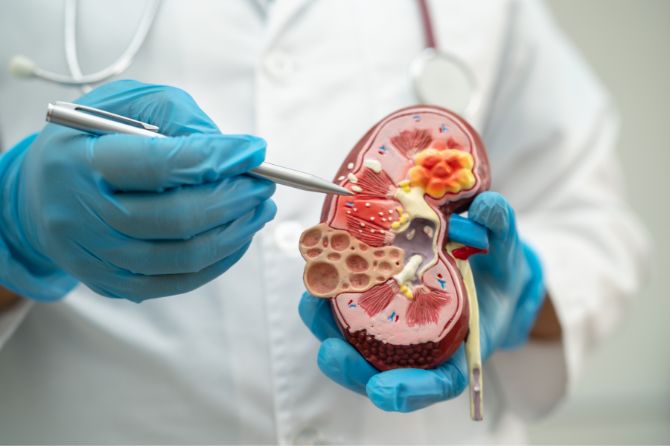
Kidney Stones in Summer | Early Signs, Pain Control, & Prevention
Summer heat in India can be worse for your overall health, including kidneys. This is because it raises the risk of developing kidney stones. As the body loses fluid through perspiration, the urine becomes more concentrated, creating ideal conditions for mineral crystals to form inside the kidneys.
This blog will help you understand why this happens, recognising early warning signs, and how to manage pain and prevent recurrence.
Why Are Kidney Stones More Common in Summer?
Summer in India can lead to a lot of diseases, including kidney stones. The major reason for this is mainly rising temperatures and lack of hydration. In summers, the body sweats more than usual, less fluid is available to flush waste products through the kidneys, which causes urine to become concentrated with substances like calcium and uric acid. As time passes, these minerals can clump together into stones.
The highest risk is especially pronounced for people who work outdoors, lead physically demanding lifestyles, or simply forget to drink enough water during a busy day. There is also a chance that people with a prior history of kidney stones, family history, also increase the likelihood of stones forming during summer.
What are the Early Signs of Kidney Stones?
Here are some of the common early signs that are often subtle and easily mistaken for other ailments.
- High pain, usually a sharp or cramping sensation in the back, side, or lower abdomen that often radiates toward the groin as the stone moves through the urinary tract.
- This pain comes in waves, intensifying, easing, then returning, a pattern known as renal colic.
- Smaller stones may cause mild discomfort, while larger ones can trigger sudden, severe pain.
- Kidney stones often cause a burning sensation during urination, frequent urges to urinate, or urine that appears cloudy, pink, red, or foul-smelling, signs of blood or infection.
- Nausea, vomiting, and in some cases mild fever or chills may also accompany an episode, particularly if infection is present.
What Helps to Control the Pain?
Only a doctor can properly diagnose and treat a kidney stone, but certain measures may ease discomfort while seeking care.
-
Managing Discomfort at Home
Staying well-hydrated helps smaller stones move through the urinary tract more easily. A heating pad on the back or side can ease muscle tension, and over-the-counter pain relievers may help when used as advised by a healthcare provider. Avoiding caffeine and alcohol is wise, since both can worsen dehydration.
-
When to Seek Immediate Care
Severe, unrelenting pain, fever with chills, visible blood in urine, inability to urinate, or persistent vomiting all call for emergency care. Doctors typically use imaging tests to confirm a stone’s size and location, then prescribe medication to help it pass or recommend a procedure for larger stones.
What are the Key Prevention Tips for Summer?
Preventing kidney stones in hotter months comes down to consistent hydration and smart dietary choices rather than any single dramatic change.
-
Building Better Hydration Habits
Most adults should aim for two and a half to three liters of water daily, more if active outdoors. Sipping consistently throughout the day works better than drinking large amounts infrequently.
-
Making Smarter Dietary Choices
Reducing salt intake matters, since high sodium increases calcium in urine. For those prone to calcium oxalate stones, moderating oxalate-rich foods like spinach, beets, and nuts can help, ideally under a doctor’s guidance. Moderating animal protein and including citrus fruits like lemons and oranges may also help prevent new stones.
-
Adjusting Daily Habits
Avoiding prolonged sun exposure without fluid replacement, taking hydration breaks during outdoor activity, and scheduling regular checkups, especially with a prior history of stones, all support long-term kidney health.
Conclusion
Kidney stones may be more common in summer, but they’re largely preventable with the right habits. Staying consistently hydrated, paying attention to dietary triggers, and recognising early symptoms can help you avoid the severe pain associated with this condition.
FAQs
- Why do kidney stones increase in summer?
Heat causes increased sweating, which reduces urine volume and concentrates minerals in the kidneys, raising the risk of crystal formation. - Can kidney stones pass on their own?
Many smaller stones pass naturally with increased fluid intake. Larger stones may require medical intervention such as medication or a minor procedure. - Is back pain always a sign of kidney stones?
Not necessarily. Back pain has many causes, but when paired with urinary symptoms, nausea, or blood in urine, it warrants medical evaluation. - How are kidney stones diagnosed?
Doctors generally use imaging tests like ultrasound or CT scans, along with urine and blood tests, to diagnose kidney stones.


Leave a reply