
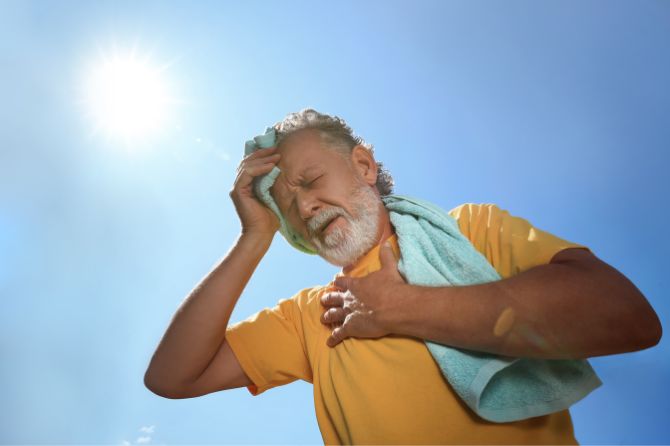
Heat Stroke Vs Heat Exhaustion | Symptoms & Treatment
India’s summers are known to be quite harsh on the health of children and adults. The weather has turned genuinely life-threatening, with temperatures in cities like Delhi, Nagpur, Lucknow, and Hyderabad regularly crossing 45°C. This gives rise to heat stroke and heat exhaustion, which are now one of the leading causes of preventable death during the summer months.
Read this blog to understand the difference between a heat stroke and heat exhaustion. We will also discuss the primary symptoms and the treatments for each.
What is Heat Exhaustion?
Heat exhaustion is your body’s early warning signal. It happens when prolonged exposure to high heat causes you to lose large amounts of water and salt through sweating, putting serious strain on your heart and circulation.
What Are The Symptoms of Heat Exhaustion?
The most important thing to know about heat exhaustion is that your mind stays clear. You feel terrible, but you can still speak, respond to questions, and know where you are.
Common symptoms include:
- Heavy, excessive sweating,
- Cold and clammy skin despite the surrounding heat
- Dizziness, weakness, and fatigue.
- Throbbing headache, nausea, painful muscle cramps in the legs or stomach
- Rapid heartbeat.
Heat exhaustion usually builds over time, after hours of working outdoors, travelling during peak afternoon heat, or sitting in a poorly ventilated room.
What is Heat Stroke?
Heat stroke is a medical emergency. It occurs when the body’s internal cooling system completely fails and core body temperature rises above 40°C. At this point, the brain, heart, kidneys, and muscles are under direct threat of serious damage.
What Are The Symptoms of Heat Stroke?
The single most important sign separating heat stroke from heat exhaustion is a change in mental state.
Common symptoms include:
- Confusion, sudden disorientation, or losing consciousness
- Hot and flushed skin
- Completely dry with little or no sweating at all
- Body temperature above 40°C
- A severe headache, rapid and shallow breathing, and in extreme cases, seizures.
Heat Exhaustion vs Heat Stroke | What Are The Key Differences
With heat exhaustion, the person is still sweating heavily and thinking clearly. The body is working hard but hasn’t given up yet. With heat stroke, sweating stops and confusion sets in, the body has crossed a dangerous threshold. This is the dividing line between a serious situation and a life-threatening emergency.
Skin appearance also differs significantly. Heat exhaustion produces pale, cold, clammy skin, because blood is being redirected away from the surface. Heat stroke produces hot, red, dry skin because the sweat glands have stopped functioning entirely.
How to Prevent Heat-Related Illness This Summer?
Here are some practical ways by which you can prevent the heat torture:
- Drink water every 20 to 30 minutes. Do not wait until you feel thirsty, because by then you are already mildly dehydrated.
- Avoid stepping outdoors between 12 PM and 4 PM during peak heat months.
- Wear loose, light-coloured cotton clothing and carry an umbrella or cap.
- Eat light meals and avoid heavy, spicy, or oily food that increases internal body heat.
- Monitor IMD heatwave alerts on your local news, a red alert means conditions are genuinely dangerous.
Conclusion
Heat exhaustion and heat stroke are both caused by overheating, but one is far more serious than the other. Knowing the difference helps you respond the right way at the right time. Early action always leads to a better outcome.
Frequently Asked Questions
- Can a young, fit person get heat stroke?
Yes. Fitness delays onset but offers no real protection during prolonged extreme heat. - Can heat exhaustion turn into heat stroke?
Yes, and rapidly. If heat exhaustion is not addressed within 30 minutes, it can escalate into heat stroke with organ damage. - What should you drink during extreme heat?
Plain water is good, but ORS is better during heavy sweating because it replaces both fluids and the essential salts your body loses. Avoid sugary drinks, tea, coffee, and alcohol.


Leave a reply