
Why Blood Pressure Rises in Cold Weather and How to Control It
India can have harsh winters, especially in the northern region of the country. This could indicate a spike in blood pressure as cold weather narrows your blood vessels, so your heart pumps harder and your blood pressure rises. But how to control it? Read the blog and learn why blood pressure rises during the cold weather and ways to control it.
Why Does Blood Pressure Rise in Winter?
When temperatures drop, your body tries to conserve heat by tightening the blood vessels near your skin. Narrower vessels mean more resistance, so your heart has to push harder and your blood pressure goes up.
There could be other winter factors such as:
- Less sunlight: Winters could mean less sunlight and lower vitamin D levels have been linked to higher BP.
- Less physical activity: During winters it is common to get dark early and moreover chilly mornings can make people skip walks, which could lead to weight gain and stress.
- Heavier, saltier food: Pickles, fried snacks, parathas, and festive sweets are common in winter.
- Dehydration: People drink less water in cold weather, which thickens the blood.
What Are The Symptoms of a Winter BP Spike
High BP is often silent, which is why it’s called the “silent killer.” Look for:
- Persistent headache, especially at the back of the head
- Dizziness or blurred vision
- Chest discomfort or breathlessness
- Unusual tiredness or palpitations
If you have chest pain, severe headache, or weakness on one side of the body, seek emergency care immediately.
How to Control High Blood Pressure in Winter
1. Stay warm, especially in the morning
Wear layers, cover your head, neck, and hands, and avoid stepping out suddenly from a warm bed into cold air. Warm up the room before you get up.
2. Cut down on salt
Aim for less than 5 grams (about one teaspoon) of salt a day. Go easy on pickles, papad, namkeen, packaged soups, and processed foods.
3. Eat a heart-friendly winter diet
Add seasonal produce like spinach (palak), carrots, oranges, amla, and beetroot. Choose whole grains, nuts, and low-fat dairy. Limit fried foods and sugary treats.
4. Keep moving
Exercise indoors if mornings are too cold. Yoga, stretching, or brisk walking at midday when it’s warmer all help. Even 30 minutes a day makes a difference.
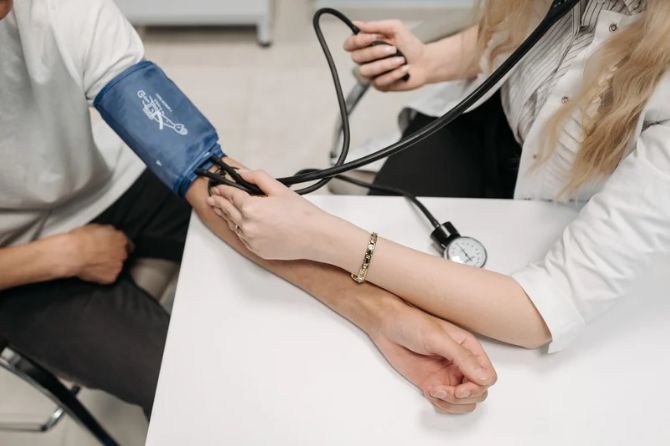
5. Monitor BP at home
Check your BP at the same time each day, ideally morning and evening, and keep a log to share with your doctor. A reading consistently at or above 140/90 mmHg needs medical attention.
6. Never skip your medicines
Don’t stop or change your dose without consulting your doctor. Some people need adjusted medication in winter, but that decision should come from a doctor.
7. Sleep well and manage stress
Aim for 7 to 8 hours of sleep. Meditation and deep breathing can help keep stress-related BP spikes in check.
Conclusion
A winter BP spike is common, but it’s manageable. Stay warm, cut back on salt, keep moving, monitor your BP, and take your medicines on time. If readings stay high or you feel chest pain or a severe headache, see a doctor right away.
Frequently Asked Questions
What is a dangerous BP level in winter?
A reading of 180/120 mmHg or above, especially with symptoms like chest pain or severe headache, is an emergency. Seek medical help right away.
What is the best time to check BP in winter?
Check in the morning after you wake up (before medicines or tea) and again in the evening, while seated and rested.
Which foods help lower blood pressure naturally?
Potassium-rich foods like bananas, spinach, and coconut water, along with oats, nuts, garlic, and beetroot, can support healthy BP as part of a balanced diet.
Should I see a doctor if my BP rises only in winter?
Yes. A seasonal rise can still signal hypertension that needs treatment, so discuss your readings with your doctor.


Leave a reply