
Skin and Fungal Infections in Monsoon: What To Look Out For
In India, monsoon weather can be dangerous as it raises the risk of fungal infections, bacterial infections, and heat rashes because humidity, sweat, and damp clothing create the warm, moist conditions fungi and bacteria need to grow. Keeping skin dry, wearing breathable fabrics, and treating rashes early are the most effective ways to prevent them.
Read this blog where we will understand how skin and fungal infections can impact your body in monsoon.
Why Do Skin Infections Increase During Monsoon?
During monsoon, it is very common to come in close contact with skin infections. This is because fungi and bacteria thrive in warm, moist environments, and this weather delivers exactly that. It is important to stay away from humidity, wet clothes, damp footwear, and prolonged sweating.
What Are the Most Common Monsoon Skin Infections?
1. Ringworm
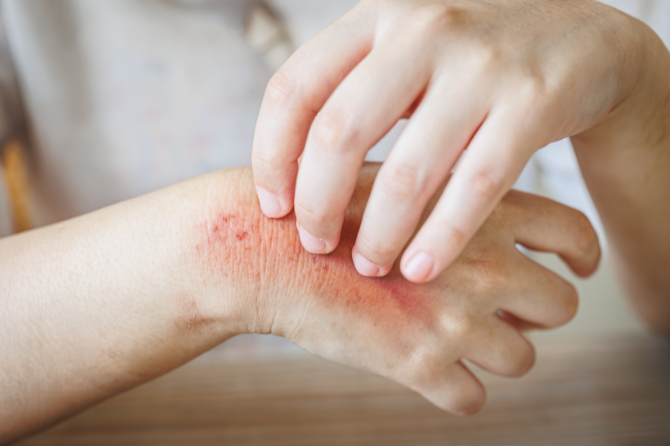
Appears as itchy, scaly, ring-shaped patches with a raised red border that slowly expands outward. It’s caused by a fungus, not a worm, and spreads easily through direct skin contact or shared towels, clothing, and footwear. Common sites include the arms, legs, chest, and back.
2. Athlete’s Foot
Affects the spaces between the toes, causing peeling, cracking, itching, and odor. Wet shoes and socks worn for long hours, a near-daily reality in monsoon, trap moisture and are the main trigger. Left untreated, it can spread to toenails or other parts of the foot.
3. Yeast Infections
Caused by an overgrowth of Candida, a yeast that normally lives on the skin in small amounts. It flourishes in warm, moist folds such as the groin, underarms, and beneath the breasts, producing redness, itching, and a white discharge or coating. People with diabetes or a weakened immune system are more prone to it.
4. Bacterial Infections
Minor cuts, insect bites, or sweat-clogged hair follicles can become entry points for bacteria, leading to painful, pus-filled bumps. Folliculitis affects hair follicles, boils are deeper and more painful, and impetigo shows up as honey-colored crusted sores, all of which can worsen quickly if scratched or left uncovered.
5. Heat Rash and Acne Flare-Ups
Increased humidity boosts oil production and clogs pores, which worsens breakouts, blackheads, and whiteheads. Heat rash, meanwhile, develops when sweat gets trapped under the skin, causing small, itchy red bumps, most common on the neck, chest, and back.
What Early Warning Signs Should Not be Ignored?
Know about these early warning signs:
- Red or scaly patches that spread in a ring pattern
- Persistent itching in skin folds, feet, or scalp
- Peeling, cracking, or foul odor between toes
- Pus-filled bumps or boils that don’t heal
- Rashes that keep recurring despite home care
If any of these persist beyond a few days or worsen, see a dermatologist rather than self-treating with steroid-mixed creams.
How to Prevent Skin Infections in Monsoon?
- Dry off completely after getting wet or after every shower.
- Wear breathable clothing made of cotton; avoid staying in wet clothes.
- Choose ventilated footwear like open sandals when possible, and dry shoes fully between uses.
- Use antifungal powder in sweat-prone areas such as the groin, underarms, and feet.
- Bathe daily with a mild cleanser to remove sweat and bacteria.
- Avoid sharing towels, socks, or footwear to reduce fungal spread.
Conclusion
Monsoon’s humidity and dampness make fungal and bacterial skin infections far more common, but they are largely preventable. When symptoms persist or worsen, timely dermatologist care ensures faster, safer recovery.
FAQs
- Why do fungal infections suddenly appear during monsoon?
Persistent humidity and dampness create ideal conditions for fungal spores to grow and spread rapidly on skin and clothing. - Can monsoon humidity alone cause skin infections?
Yes. High humidity increases sweating and traps moisture against the skin, weakening its barrier and allowing fungi and bacteria to multiply. - Are monsoon skin infections contagious?
Most of them are, for example, ringworm and athlete’s foot in particular can spread through shared towels, footwear, and direct skin contact. - How long does it take for a fungal skin infection to clear up?
Mild cases often improve within 2 to 4 weeks with consistent antifungal treatment, though nail infections can take longer. - When should I see a doctor for a monsoon skin rash?
If a rash spreads, doesn’t improve after a week of home care, keeps recurring, or is accompanied by pus, fever, or severe pain.


Leave a reply