
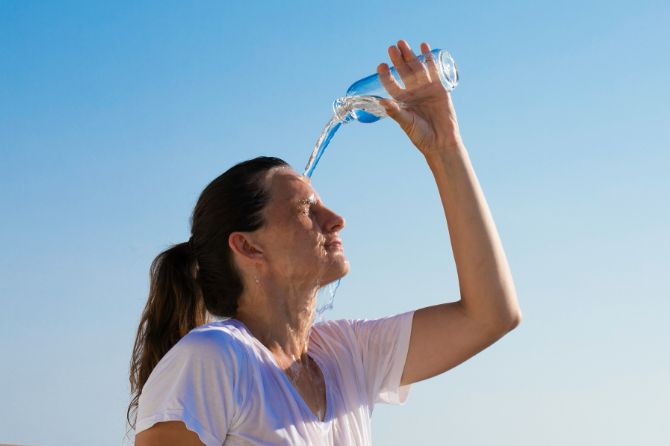
Summer Dehydration, Low BP & Dizziness | Is it a Heart Problem?
Summers in India can be very intense and humid. The high temperatures during April to June can cause health concerns like dizziness, dehydration, low BP, etc. In most cases, people immediately worry whether these symptoms are linked to heart problems. However, this is not the case everytime. This blog will help you to understand whether dehydration, low BP, and dizziness in the summer can be a sign of a heart problem.
Why Do People Feel Dizzy in Summer?
Indian summers are very tough, and the rising temperatures can be challenging on health. The most common reasons people feel dizzy during summer are due to loss of water and essential salts. Moreover, as dehydration increases, the volume of blood in your body reduces, which can lower blood pressure. This results in reduced blood flow to the brain, causing dizziness.
What is Low Blood Pressure or Hypotension?
Low blood pressure, also called hypotension, occurs when your BP falls below normal levels (generally below 90/60 mmHg). At times, it is natural for people to have a low BP without issues. However, during summer, if the BP suddenly drops, it can be discomforting.
Talking about many Indian households, early signs like tiredness or mild dizziness are often ignored. However, these can be signals that your body is lacking fluids or essential electrolytes.
Is it a Heart Problem or Just Dehydration?
In most cases, it’s not a heart issue. For the majority of people, summer dizziness and low BP are caused by dehydration, heat exhaustion, or electrolyte imbalance. These are temporary conditions and mostly improve with proper hydration and rest.
When Should You Be Concerned?
Here are some important symptoms to look out for:
- If dizziness is accompanied by chest discomfort, irregular heartbeat, or shortness of breath, it could point toward a more serious issue, including a heart condition.
- People with pre-existing heart disease, high BP, or those taking medications should be extra cautious, as dehydration can sometimes worsen underlying problems.
How to Prevent Summer Dehydration and Low BP?
Here are some easy tips to prevent summer dehydration and manage low BP:
- Stay Hydrated Throughout the Day: Drinking water regularly is the most effective way to prevent dehydration. Instead of waiting until you feel thirsty, make it a habit to sip water throughout the day. Traditional drinks like nimbu pani, coconut water, and buttermilk are excellent for maintaining electrolyte balance.
- Eat Light and Cooling Foods: Your diet also plays an important role. Include water-rich fruits like watermelon, cucumber, and oranges. Avoid heavy meals during peak heat as they can make you feel sluggish and worsen dehydration.
- Avoid Peak Heat Hours: Stepping out between peak hours should be avoided whenever possible. If you must go out, use protective measures like umbrellas, caps, or scarves, and try to stay in shaded areas.
When Should You See a Doctor?
While most cases improve with hydration, medical advice is necessary if symptoms persist. If you experience frequent fainting, severe dizziness, or symptoms that do not improve even after drinking fluids, it is important to consult a doctor.
Conclusion
In most situations, summer-related dizziness and low BP are not signs of a heart problem but rather a result of dehydration and heat exposure. With simple lifestyle changes like staying hydrated, eating right, and avoiding extreme heat, you can prevent these symptoms effectively. However, always listen to your body, if something feels unusual or severe, seeking medical advice is the safest step.
FAQs
- Can dehydration cause low BP?
Yes, dehydration reduces blood volume, which directly leads to low blood pressure and dizziness.
- Is dizziness common in Indian summers?
Yes, due to extreme heat and sweating, mild dizziness is quite common, especially if fluid intake is low.
- Is dizziness always related to heart problems?
No, most cases are due to dehydration. However, if accompanied by chest pain or breathlessness, consult a doctor.
- What are the best drinks to prevent dehydration?
Water, coconut water, lemon water, ORS, and buttermilk are highly effective.


Leave a reply